Costs Synthetic Roof Solutions for Snow, Ice, and Summer Season Heat
A roofing system that looks lovely in mild climate can end up being a liability after a couple of periods of freeze-thaw cycles, ice damming, driving rainfall, and July warm. That reality is simple to miss when you are picking materials from a showroom example. It comes to be apparent just after a winter months of heavy snow tons, a spring of gutter overflow, and a summertime when attic temperature levels feel punishing prior to noon.
That is where costs artificial roofing has actually made genuine focus from designers, building contractors, and homeowners that are tired of making the same compromise. Typical products each bring strengths, but they additionally come with familiar weaknesses. All-natural slate is sophisticated and resilient, yet hefty and pricey to support. Cedar has heat and structure, yet maintenance and dampness direct exposure are constant worries. Asphalt can be serviceable, though it commonly fails on the higher-end appearance many property owners desire, specifically on custom-made homes and historic-inspired homes.
Synthetic roofs were developed to shut that gap. The best items are designed to capture the depth and texture of slate, shake, or ceramic tile while reducing weight, streamlining installation, and enhancing weather performance. In demanding climates, especially in the Midwest, that combination issues. A home owner comparing options for synthetic roofing Chicago jobs is often stabilizing aesthetic appeals, code demands, long-term sturdiness, and seasonal extremes all at once.
What "costs" truly indicates in artificial roofing
Not every polymer-based roof belongs in the same category. There is a vast spread in product high quality, design, and installer experience. Costs synthetic roof covering usually describes composite materials manufactured to duplicate all-natural roofing accounts while providing stronger effect resistance, reduced weight, UV security, and much more consistent installment performance.
The word "costs" ought to not be dealt with as an advertising and marketing flourish. On a roofing, it needs to mean something useful. Better items have a tendency to show it in the information. The molding is sharper and more dimensional. Color blending looks less level and more like quarried stone or hand-split cedar. Density is controlled. Side accounts are cleaner. Fastening areas are engineered instead of improvised. Excellent products additionally feature published screening information for fire resistance, wind resistance, and influence ratings.
Those differences matter most in climates with rough swings. A roof surface in January may rest under stuffed snow and ice for days. The very same roofing system in August can take in intense sunlight, emitting warm back right into the assembly. Lower materials become weak, curl, discolor unevenly, or telegraph setup imperfections. Premium artificial roofing systems are anticipated to hold their shape and look via those transitions.
Why snow and ice are so difficult on roof systems
Anyone who has actually worked on homes after a Midwest wintertime has actually seen the pattern. Snow on its own is not always the problem. Problem begins when daytime sunlight or heat getting away from the attic room thaws the lower layer, which after that refreezes at colder roof sides. That freeze point ends up being an ice dam. Water backs up under the roof product, often much adequate to damp underlayment, decking, soffits, insulation, and interior finishes.
A sturdy roofing system have to do more than shed water on a warm day. It has to take care of snow load, withstand influence from falling ice, preserve attachment in wind-driven tornados, and deal with correct air flow and flashing information to decrease the possibility of concealed water intrusion.
This is one factor building synthetic roof has gained traction in chillier areas. The product itself is just part of the tale, but it can assist in a number of ways. Many synthetic products are lighter than slate or tile, which decreases architectural demand. Many also stand up to fracturing under effect much better than brittle natural materials. On homes with valleys, dormers, cupolas, and high shifts, that resilience ends up being beneficial. A snow-covered roofing system is stressful enough. Add a sliding sheet of ice or arm or legs dropped throughout a storm, and product strength begins to different items quickly.
Performance in summer season warmth is not a secondary concern
Homeowners in four-season climates sometimes focus so greatly on winter season that they ignore what heat does to a roof assembly. Summer direct exposure is unrelenting. UV radiation breaks down weaker products. Thermal cycling expands and contracts every component, from surface items to flashings and fasteners. Improperly aerated attic rooms can push temperatures high sufficient to reduce the life span of surrounding materials.
Premium artificial roof covering is typically selected due to the fact that it performs credibly at both ends of the climate spectrum. Excellent products are formulated to resist shade discolor and emerge break down. They also often tend to maintain more secure measurements throughout heat spikes, which assists preserve fit and appearance over time. That does not suggest every synthetic roofing system stays awesome to the touch or amazingly lowers energy expenses. Cases because area ought to be treated very carefully. Still, an appropriately designed roof setting up with high quality underlayments, right air flow, and a well-installed artificial surface area can deal with summertime stress without the warping or early aging that discourages numerous homeowners.
For big custom homes, this issues even more. Artificial roof for high-end homes is often selected for visual factors initially, however owners swiftly appreciate the sensible side once the roof covering has experienced a number of periods. A high great-room roofline or a complicated turret may be magnificent from the road, yet those same features develop exposure points. Products require to stay steady on those slopes with warmth, storms, and UV years.
The benefit of reduced weight, particularly in remodels
Weight alters a task before the initial item is set up. Natural slate and clay tile can be phenomenal materials, yet they are heavy enough that numerous existing homes require architectural assessment or reinforcement prior to substitute. On older homes, that can shift a roofing project right into a wider and extra expensive building and construction scope.
Synthetic roof covering tiles and artificial slate profiles give homeowners a means to pursue the same aesthetic language without thinking the exact same structural problem. That can be a crucial benefit throughout artificial roof covering substitute, especially when the home has ornate roofing geometry or when the owner intends to maintain a classic look without rebuilding framing.
I have seen homeowners start the procedure convinced they wanted natural slate, only to stop briefly when they learned what reinforcing rafters and outdoor decking may entail. All of a sudden, the conversation moved from a roof replacement to design, access difficulties, indoor jumble, and months of interruption. On the best house, natural materials are still worth it. But several homeowners are not contrasting slate to synthetic in a vacuum. They are comparing an attractive, feasible job to one that becomes so intrusive it stops being realistic.
Where synthetic products fit best
The strongest applications for household synthetic roof covering tend to share a few qualities. The home might have a steep or visually prominent roofline. The proprietor may want the look of slate, cedar shake, or ceramic tile without the maintenance or lots. The environment may be hard on breakable or moisture-sensitive products. Or your home may be part of a neighborhood where appearance matters, but owners still expect modern-day weather condition performance.
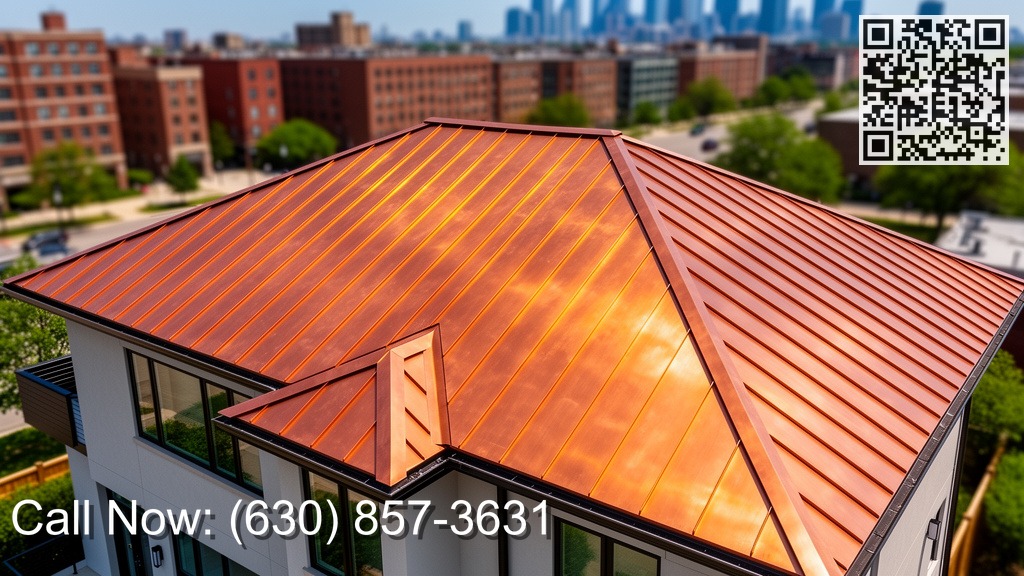
These prevail conditions in the western residential areas and greater city market, which is why terms like artificial roof covering Naperville IL and synthetic roofer Chicagoland show up more frequently in remodelling planning. Home owners there are commonly balancing style criteria, seasonal anxiety, and resale expectations. A roofing is not simply an utility element. It is a defining exterior feature.
That said, artificial is not automatically the best choice for every single home. A modest ranch with a basic roof and tight budget plan might be better offered by a high-quality https://knoxicnq315.clearminster.com/posts/why-artificial-roofing-systems-master-harsh-midwestern-weather-conditions building asphalt system. A site home may require a material that matches historic guidelines specifically. Good judgment means matching the product to your home, not forcing every job right into the very same recommendation.
Installation quality makes a decision whether the material delivers
There is no premium roof without premium setup. That point is easy to neglect because house owners invest a lot time comparing product samples and guarantee language. Yet a roofing system stops working at transitions, penetrations, sides, valleys, and flashings long before it falls short in the center of an open field. The installer matters at least as much as the material, and in most cases more.
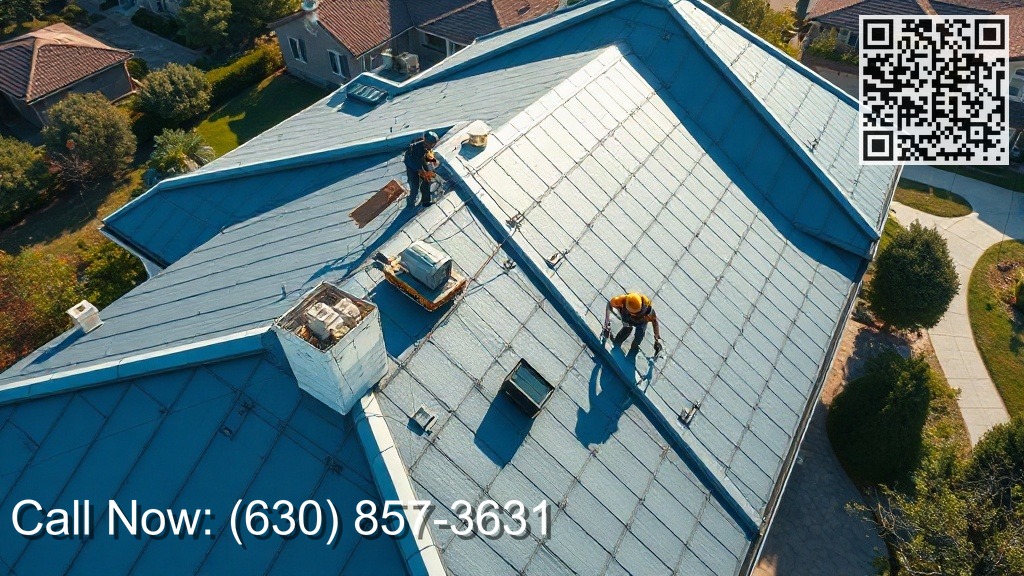
A certified artificial roofer ought to understand not simply the noticeable roofing account yet the entire roof setting up. That includes underlayments appropriate for ice and water protection, attic air flow method, deck problem, flashing integration, accessory compatibility, and securing patterns needed by the maker. These information determine whether synthetic roof setup performs as meant throughout real climate events.
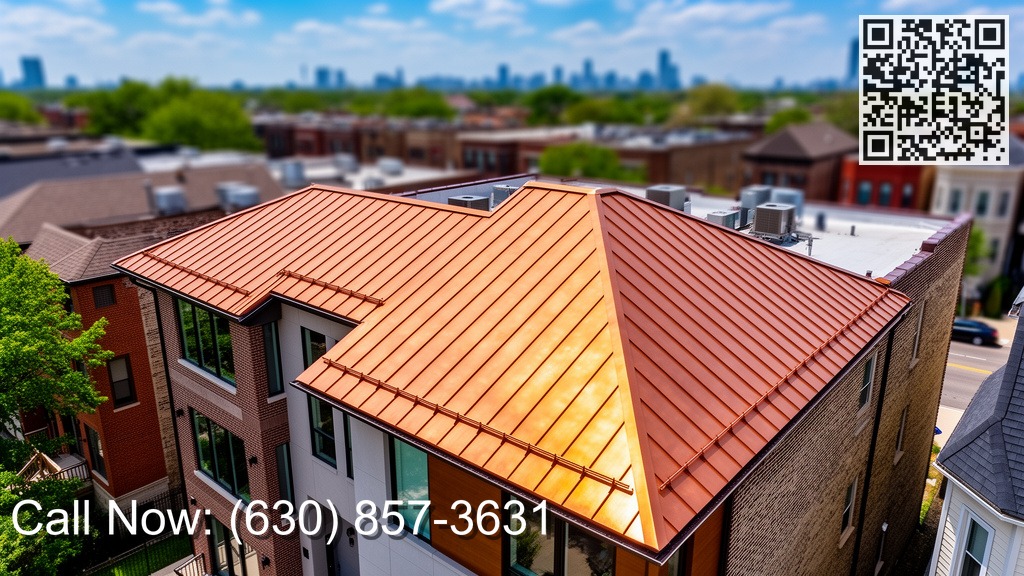
A competent team additionally deals with the aesthetic side much better. On slate-look or shake-look products, design issues. Staggering, direct exposure consistency, blend monitoring, and therapy around valleys and ridges can either produce a convincing premium look or make the roofing show up made in the worst sense. Experienced artificial roofing system installers know how to prevent repetitive patterns and awkward shifts that give away an inadequate setup from the street.
For home owners reviewing an artificial roof covering firm, the smartest concerns are commonly functional as opposed to marketing. Ask what underlayment system they advise for ice dam security. Ask exactly how they ventilate a complex roofline. Ask whether the staff has mounted the certain item you are considering. Ask what troubles they commonly find during tear-off on homes in your location. Experienced solutions often tend to be concrete, not rehearsed.
The duty of system layout in cold-weather reliability
Roofing products get a lot of the focus, yet artificial roofing systems carry out best when paired with regimented system design. In snow and ice regions, this usually indicates mindful attention to the following:
- ice and water membrane placement at eaves, valleys, penetrations, and at risk transitions
- ventilation that restricts attic warm buildup and reduces unequal snow melt
- flashing details that account for smokeshafts, walls, skylights, and dead valleys
- proper attachment patterns for wind resistance and long-term attachment
- drainage planning that includes seamless gutters, downspouts, and snow-shedding behavior
None of that is extravagant, but it is where integrity lives. A gorgeous roof account mounted over weak describing is still a dangerous roof. On the other hand, a well-executed system can make artificial materials execute incredibly well in climates with duplicated freeze-thaw stress.
One job that comes to mind included a huge country home with decorative valleys, rock smokeshafts, and a number of wide eaves where ice had consistently supported under the old roof. The owners initially blamed the roof shingles. The genuine issues were mixed: poor insulation in essential attic room areas, not enough air flow, and underlayment that cut short of where it required to be. The synthetic roofing system replacement fixed the exterior side, but the full success came from dealing with your home as a system, not a surface.
Aesthetic realism has actually boosted dramatically
Early generations of synthetic roofing often looked appropriate from a distance and underwhelming up close. That is no longer true across the board. The better suppliers have actually improved mold and mildews, shadow lines, thickness variant, and shade depth sufficient that numerous costs products read convincingly from the ground and still hold up under closer inspection.
This is specifically important for building artificial roof covering utilized on custom-made houses. Proprietors buying significant exterior upgrades normally care deeply concerning visual charm. They want a roof covering that enhances stonework, copper accents, painted trim, and premium windows. Flat-looking products can undermine the entire composition. Better artificial roof covering roof shingles and tiles currently offer sufficient appearance and tonal variant to support sophisticated building designs rather than just imitate them.
For artificial roofing for luxury homes, the visual reward usually expands past appearance alone. Because the material is lighter and less complicated to handle than some all-natural products, installers can typically work a lot more effectively on complex kinds. That can assist preserve delicate layout functions that could otherwise be value-engineered out of a job as a result of set you back or structural concern.
Trade-offs property owners ought to comprehend prior to choosing synthetic
No roof covering product is perfect. Artificial items fix numerous issues, yet they still need straightforward evaluation. Some line of product lug a higher in advance cost than premium asphalt. Some house owners just prefer the authenticity of actual slate or cedar no matter upkeep. On certain historic homes, synthetic might not satisfy preservation demands or owner expectations.
There is also variation in between producers that ought to not be disregarded. Two items can both be identified synthetic and execute really differently in warmth, hailstorm, wind, or long-lasting color retention. The classification is wide. That is why selecting an educated artificial professional roofer is so essential. Item recommendations should be based upon environment, roof covering layout, house design, and proprietor concerns, not on what happens to be most convenient to source that month.
Here is where trade-offs typically land for house owners:
- If appearance is the leading priority and the budget plan supports real slate or tile with the called for structure, all-natural products might still win.
- If you want premium looks, far better influence resistance, and lower structural problem, costs synthetic roofing typically makes even more sense.
- If budget plan is tight and the roofline is simple, a solid building asphalt system might provide far better value.
- If the house has chronic ice damming or ventilation problems, material choice alone will certainly not fix the issue.
- If installation top quality is uncertain, also the very best synthetic product comes to be a gamble.
Those are not sales speaking factors. They are sensible distinctions that protect against pricey disappointment.
Why local experience matters in Chicagoland
Climate, constructing stock, and neighborhood building routines all influence roof outcomes. A team that functions consistently in Florida or Arizona might understand roof well, yet still miss out on the details that matter most in northern Illinois. Snow retention patterns, wind direct exposure, freeze-thaw stress and anxiety, and attic room air flow requirements are not academic concerns in this region. They form actual setup decisions.
That is why house owners looking for a synthetic roofer Chicagoland or an artificial roof company with local experience must take note of regional performance history. Roofing systems in this market see sharp seasonal swings. Products need to manage snow, ice, hail storm, sun, moisture, and storm wind. Installers need to recognize not only item guidelines but exactly how those guidelines play out on homes with fully grown trees, intricate gutter systems, older insulation profiles, and neighborhood-specific architectural styles.
Local experience also assists throughout preparation. Numerous household synthetic roof covering jobs in the Chicago suburbs entail customized homes, enhancements, or replacement on residences constructed in stages with time. Those projects commonly reveal irregular decking, hidden repairs, or air flow inequalities between old and new roof covering sections. Crews that have seen those patterns previously are usually much better prepared to fix them without improvising at the property owner's expense.
What a clever selection process looks like
Choosing a roof ought to really feel much less like buying a commodity and even more like appointing a structure element that will certainly be examined every season. The best jobs begin with cautious analysis, not product sales brochures. The contractor needs to examine the attic, roof covering deck problem, flashing information, drain patterns, and susceptible locations where snow or water tends to collect. From there, product choice ends up being more informed.
A property owner thinking about synthetic roofing setup must expect clear discussion around life span expectations, upkeep needs, visual goals, and budget plan boundaries. It additionally assists to see complete installed jobs when possible, not just sample boards. Roofings look various in changing light, and some profiles are much more persuading on a whole altitude than in a handheld display.
For synthetic roof covering replacement on larger homes, hosting and site security should have focus as well. Costs roofings commonly rest over premium landscape design, customized outdoor patios, and delicate exterior finishes. A regimented staff plans for access, particles handling, magnetic clean-up, and weather security. Those information might not appear on the completed roofing system, but they shape the homeowner's experience from day one.
Long-term worth is greater than lifespan
Homeowners typically ask the length of time a roof covering will last, which is reasonable, however the much better question is what sort of worth it supplies during that lifespan. A roofing can technically remain in place for years and still dissatisfy if it discolors poorly, drops granules, develops persistent leakage factors, or reduces the look of the home.
Premium synthetic roofing often tends to appeal to owners that care about the full package. They want a roofing system that protects well, looks proper on a high end residence, and stays clear of several of the architectural and upkeep problems affixed to traditional luxury products. For lots of homes, that is an engaging middle course in between basic asphalt and heavyweight natural products.
In environments where snow, ice, and summer season warmth all take their turn, that stabilize matters. A roof covering needs to be more than appealing in October. It needs to perform in February, recover in April, and hold stable in August. When the product is well picked and the installer truly understands the setting up, synthetic roofings can meet that basic with shocking confidence.
That is the real assurance behind costs artificial roofing, not that it mimics old materials, but that it offers modern-day homes and timeless styles a much better chance to weather modern-day problems well.
When Quality Matters
Salvo Architectural Roofing Contractors
566 West 5th Ave Naperville, IL 60563
(630) 857-3631
 Ask ChatGPT
 Ask Grok
 Ask Perplexity
 Ask Claude
 Ask Google AI
 Ask You